Meaning of St Anna’s Day
On 9 December each year, the Church celebrates the Conception of the Virgin Mary by St Anna. The feast recalls the miracle in which the righteous Joachim and Anna, who had long been childless, received a promise that they would have a child. That child was the Virgin Mary, the mother of Christ.
Known in Bulgarian as Aninden, the feast falls during the Nativity Fast, the period of fasting before Christmas. It is associated with hope and prayers for children, and takes place less than three weeks before Christmas.
Folk Beliefs and Customs
In the Bulgarian folk calendar, Aninden marks a turning point in winter. According to a traditional saying, from this day onwards daylight begins to grow “by one millet grain”. This is a folk belief associated with the holiday.
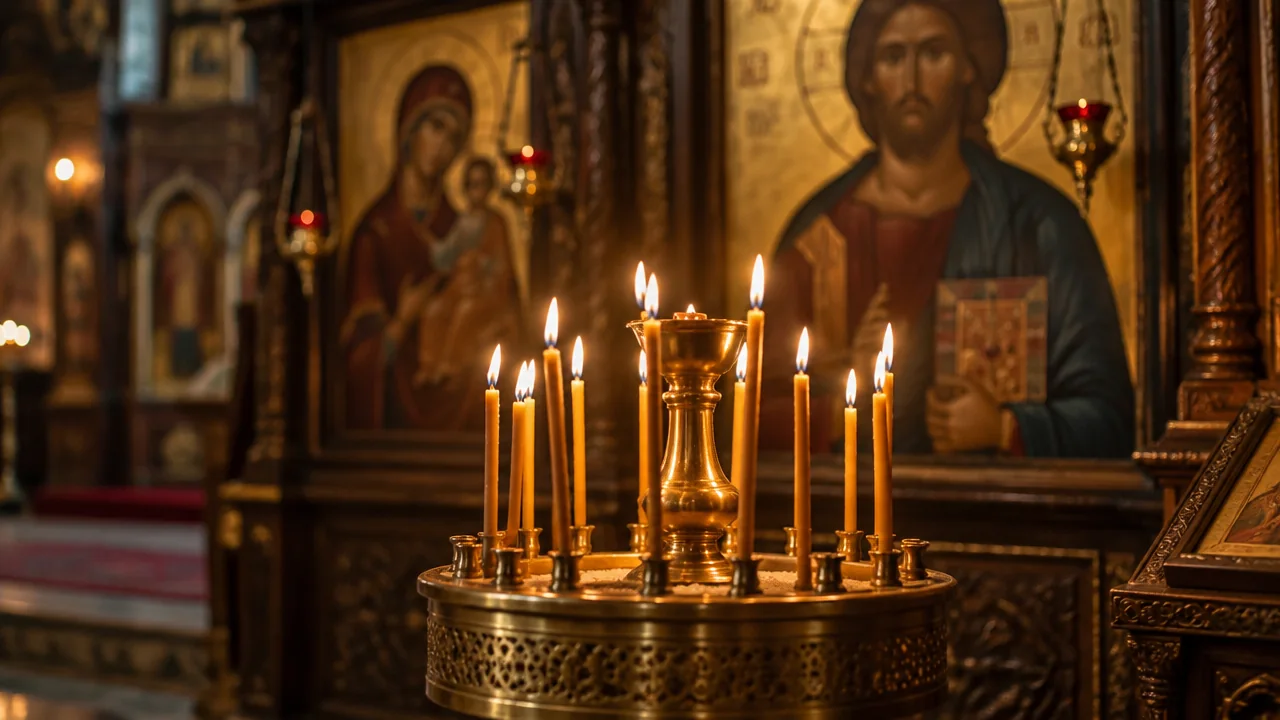
Childless women go to church to pray to St Anna for a blessing. In some areas, young brides receive visitors and gifts. St Anna is seen as a figure of maternal love and patience, and many childless families pray before her icons.
Name Days and Working-Day Status
St Anna’s Day is not a public holiday: it is a normal working day in Bulgaria.
People named Anna, Ana, Ani, Anelia, Aneta, Yana, Yanka, Zhanna and those with related names celebrate their name day, a celebration linked to their given name.
Other Feasts of St Anna
The Church honours St Anna several times during the year. Alongside the feast on 9 December, she is commemorated with Joachim on 9 September. Her Dormition, the commemoration of her death, is observed on 25 July.