Meaning of Orthodox Easter
Orthodox Easter, known in Bulgarian as Velikden, celebrates the resurrection of Jesus Christ on the third day after his crucifixion. It is the centre of the Orthodox church year and marks the end of Great Lent, which lasts seven weeks.
In Bulgaria, Easter is both a deeply religious occasion and a family celebration. Most people spend it with loved ones, whether or not they attend church services.
When Easter falls
Easter is a movable feast. Its date follows the rule of the first Sunday after the first full moon after the spring equinox. The Orthodox Church calculates it using the Julian calendar, so Orthodox Easter is usually later than Western Christian Easter, though the dates sometimes coincide.
Easter Sunday falls on 12 April in 2026, 2 May in 2027 and 16 April in 2028. Its date also determines other church celebrations, including Palm Sunday, Ascension and Pentecost.
Eggs, bread and family customs
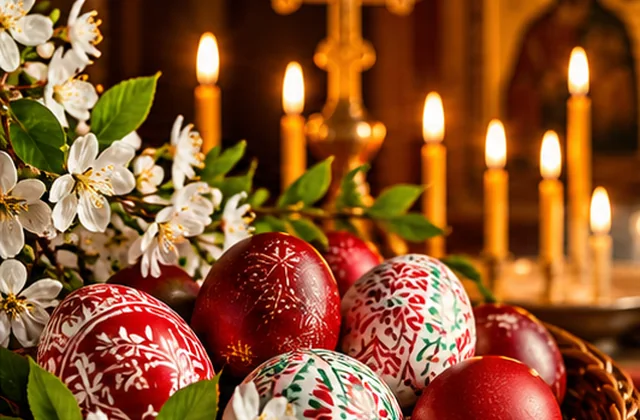
Families dye eggs on Holy Thursday or Easter Saturday. The first egg is coloured red and used to trace a cross on children’s foreheads for good health. It is then kept beside an icon until the following Easter.
Kozunak, a sweet braided bread, and lamb are traditional parts of the Easter meal. On Sunday morning, families exchange the greeting “Christ is risen!” and the reply “Truly he is risen!” They tap eggs together and visit godparents and older relatives.
Public holidays and days off
Orthodox Easter is an official public holiday and non-working day in Bulgaria under Article 154 of the Labour Code. The Easter holidays run from Good Friday through Easter Monday, inclusive, giving four consecutive days off.
When Easter coincides with 1 or 6 May, no extra days off are added for Easter itself. The fixed-date holiday may, however, receive a compensatory day off.