Date and public holiday status
Christmas Eve falls on 24 December every year and is an official public holiday and non-working day in Bulgaria under Article 154 of the Labour Code. If it falls on a Saturday or Sunday, the next working day is a substitute day off.
Known in Bulgarian as Badni vecher, it is the evening before the celebration of the Nativity on 25 December and one of Bulgaria’s most solemn family occasions. It also marks the end of the 40-day Christmas fast, which begins on 15 November.
The traditional Christmas Eve supper
The traditional supper is meat-free, with an odd number of dishes, usually 7, 9 or 11. These include sarmi, stuffed leaves filled with rice or beans; peppers stuffed with beans; oshav, a dish of dried fruit; boiled wheat; nuts; honey; onions and garlic.
At the centre of the table is a ceremonial loaf of bread containing a coin. Whoever finds the coin is said to have good luck in the coming year. Traditionally, the oldest man in the family blesses the table and home with incense before the bread is broken.
In some regions, the table is left uncleared overnight so that, according to tradition, the ancestors can also share the meal.
The hearth, carollers and church
Another tradition is the badnik, a thick oak or pear-tree log placed in the hearth to burn throughout the night. After midnight, koledari—young male carollers—begin their rounds, singing blessings for health and fertility. They receive kolatsi, traditional breads, and gifts.
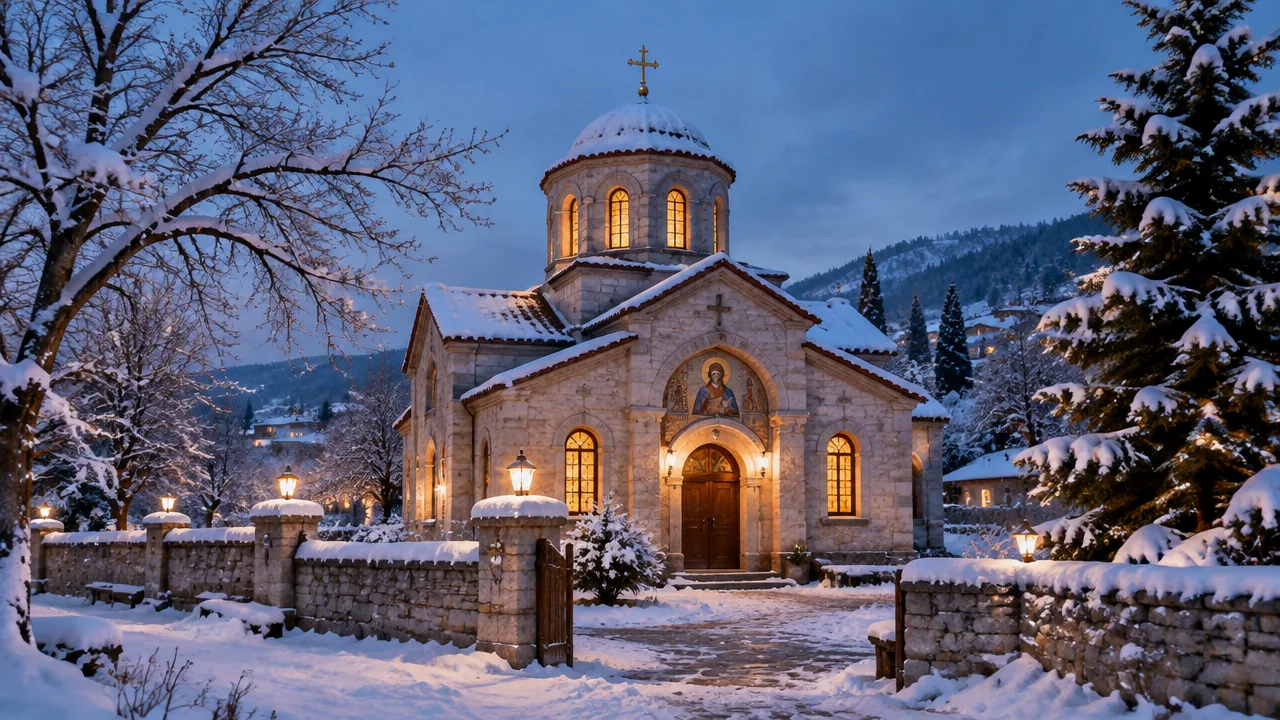
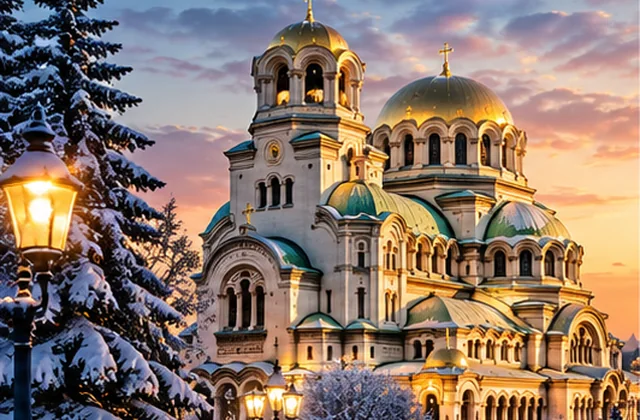
Today, Christmas Eve is usually spent at home with loved ones. Many people also attend an evening church service.