Christmas in Bulgaria
Christmas Day celebrates the birth of Jesus Christ in Bethlehem. In Bulgarian, the holiday is called Koleda or Rozhdestvo Hristovo, meaning the Nativity of Christ.
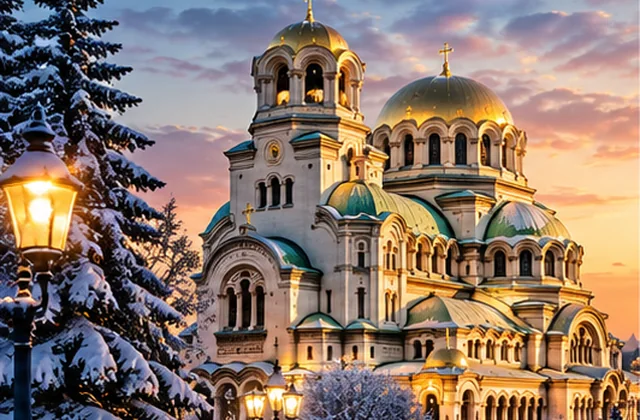
The Bulgarian Orthodox Church has observed Christmas according to the new calendar since 1968. Orthodox Bulgarians therefore celebrate on 25 December, under the current civil calendar, on the same date as most European countries.
Public holiday and days off
Christmas Day is an official public holiday and non-working day in Bulgaria under Article 154 of the Labour Code. If it falls on a Saturday or Sunday, the next working day is a substitute day off.
Christmas Eve and 26 December are also statutory holidays, making three consecutive holiday dates. When any of these falls at a weekend, additional days off after the holiday extend the break.
Meals and Christmas carolling
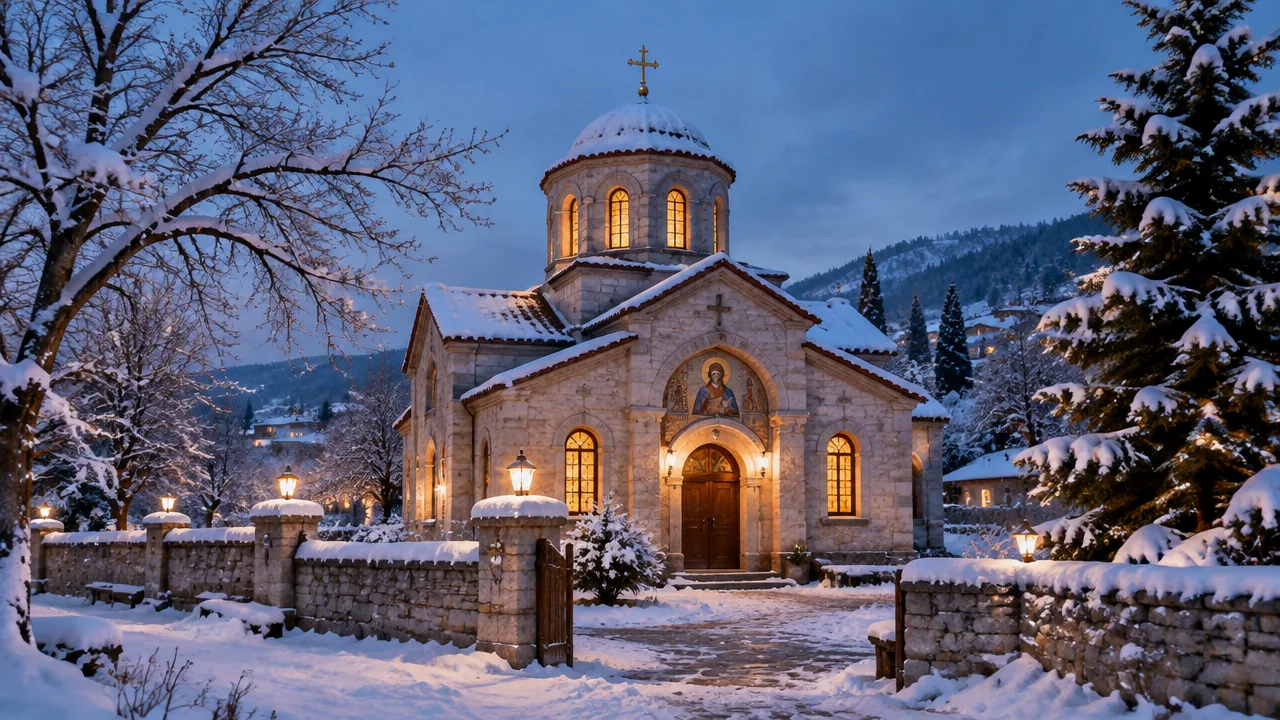
The Christmas fast ends on Christmas Day, and festive meals include meat, banitsa—a traditional pastry—sweets and wine. Families attend the Christmas liturgy at church and visit relatives.
A distinctive custom is koleduvane, or Christmas carolling. Groups of young men called koledari visit homes from midnight until morning, singing and offering blessings for health and prosperity. Different songs are sung for the host, a young woman, a child or a shepherd. Hosts give the carollers kolatsi, a type of bread, as well as meat and money.
Christmas today
Christmas today combines older Bulgarian traditions with international customs, including decorated Christmas trees, presents from Santa Claus, Christmas markets and street lights. Seasonal greetings include “Vesela Koleda!”, meaning “Merry Christmas!”
Christmas is also the name day for people named Hristo, Hristina, Emanuil and Bozhidar.