What Liberation Day commemorates
On 3 March 1878, the preliminary Treaty of San Stefano was signed near Constantinople, ending the Russo-Turkish War of 1877–1878. It provided for a large autonomous Bulgarian state after almost five centuries of Ottoman rule. The date therefore became a symbol of the restoration of Bulgarian statehood.
The Congress of Berlin revised the treaty in July of the same year, dividing the Bulgarian lands. It established the Principality of Bulgaria and the autonomous province of Eastern Rumelia, while Macedonia and the Adrianople region remained in the Ottoman Empire. Despite these changes, 3 March remains the day Bulgaria commemorates its liberation.
Public holiday and day off
Liberation Day is Bulgaria’s National Day and is observed every year on 3 March. It is an official public holiday and a non-working day in Bulgaria under Article 154 of the Labour Code. If it falls on a Saturday or Sunday, the next working day is a substitute day off.
Commemorations and visits
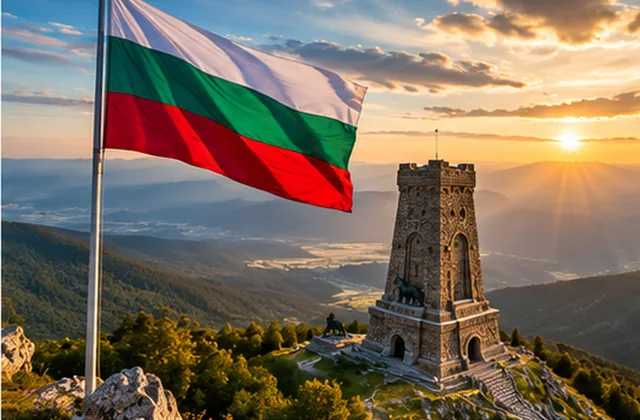
The day honours those who died in the war: soldiers of the Russian army, Romanian and Finnish units, and Bulgarian volunteers. Important places of remembrance include Shipka Peak, the Panorama and Skobelev Park in Pleven, Stara Zagora, and monuments to the Bulgarian volunteers across the country.
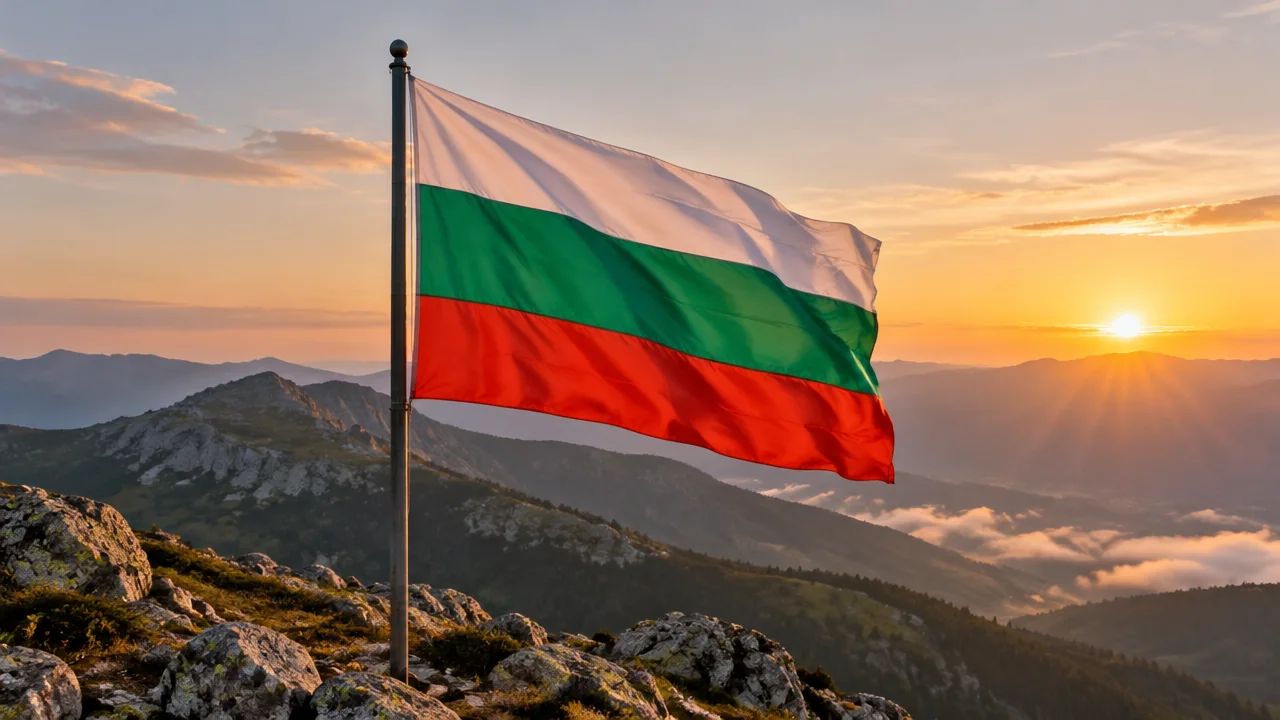
Observances begin with the raising of the national flag outside state institutions and a ceremony at the Monument to the Unknown Soldier in Sofia. Memorial prayers and the laying of wreaths and flowers are followed by ceremonial fireworks and concerts in the evening.
Thousands of people gather at Shipka Peak each year. Many families also use the day off to visit historic sites. Visitors travelling to Shipka should allow for heavier traffic through the pass on the holiday.