The declaration of independence
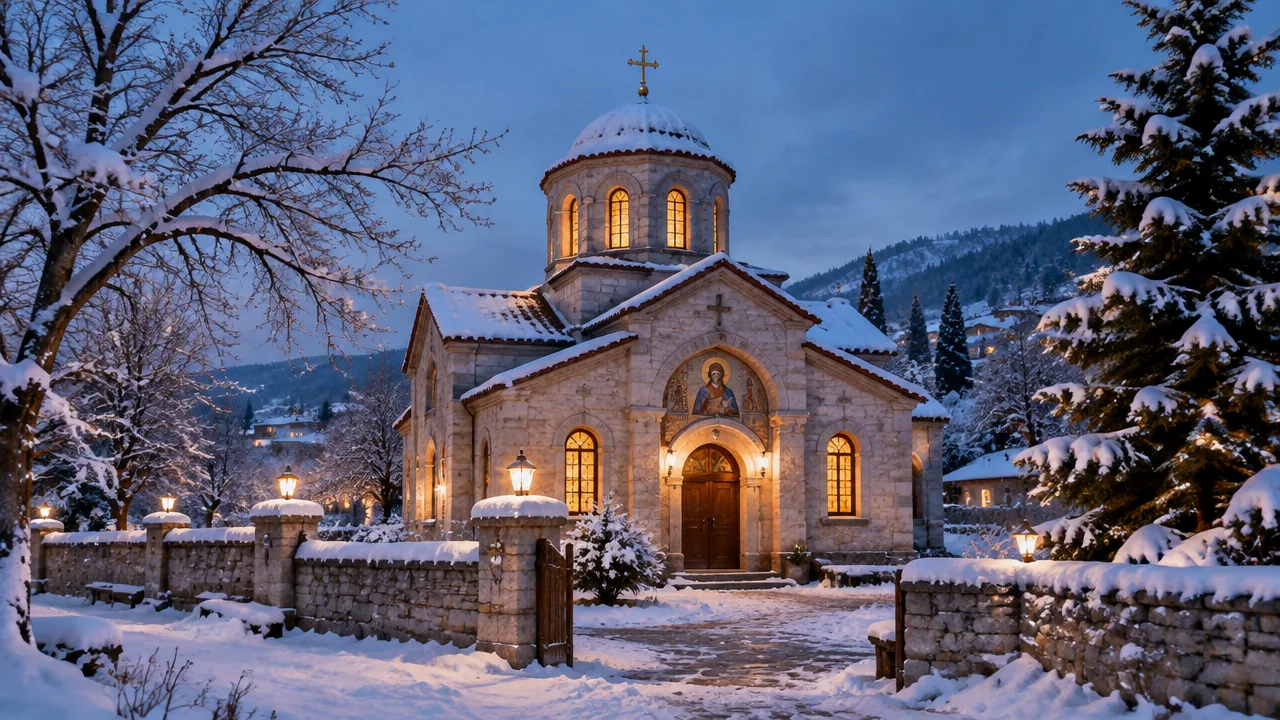
On 22 September 1908, Prince Ferdinand read a manifesto in the Church of the Holy Forty Martyrs in Veliko Tarnovo, declaring Bulgaria an independent kingdom. The declaration ended the remaining ties of dependence on the Ottoman Empire imposed by the Treaty of Berlin, and Ferdinand took the title of tsar.
The setting had symbolic importance: Tarnovo was Bulgaria’s former capital, associated with the Second Bulgarian Empire. From 1908 until 1946, the country was known as the Kingdom of Bulgaria.
Why independence mattered
After Liberation, the Principality of Bulgaria formally remained subject to the Ottoman Empire. It paid tribute, and some international matters were decided without its participation. Independence removed these restrictions and established Bulgaria as an equal participant in international relations.
The Great Powers recognised independence the following year. Bulgaria gained full sovereignty in foreign policy, including the right to conclude treaties and maintain its own diplomatic missions.
Public holiday and day off
Independence Day falls on 22 September every year. It is an official public holiday and non-working day in Bulgaria under Article 154 of the Labour Code. If it falls on a Saturday or Sunday, the next working day is a substitute day off.
The day has been an official holiday since 1998. In 2026, it falls on Tuesday, 22 September.
How Bulgaria marks the day
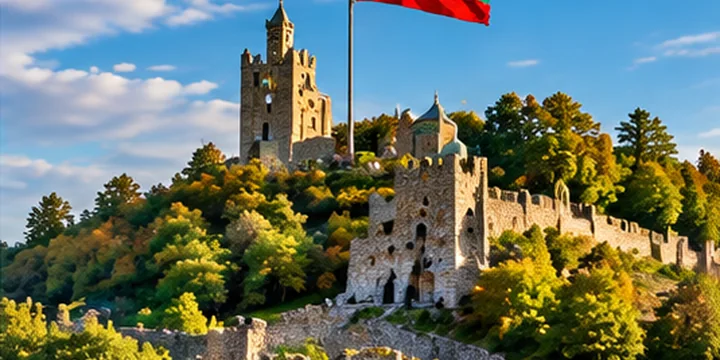
The main celebrations take place in Veliko Tarnovo, outside the Church of the Holy Forty Martyrs and on Tsarevets Hill, where there is often an evening sound-and-light show.
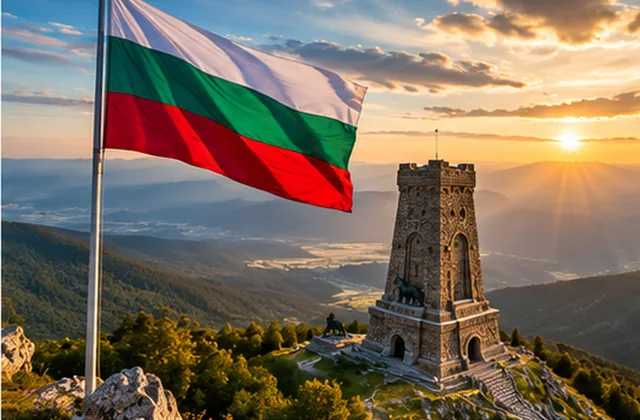
In Sofia, commemorations include raising the national flag and laying wreaths. Civic ceremonies and cultural events mark the occasion and commemorate Bulgaria’s status as a sovereign state.